

DTF transfer maintenance: extend apparel life 40% longer
Learn proven DTF transfer maintenance techniques that extend custom apparel lifespan by 40%. Master washing protocols, heat control, and storage strategies.

You’ve just printed stunning DTF transfers on custom apparel, but within weeks the vibrant colors fade and edges peel. This isn’t a printing defect but a maintenance problem. DTF transfers demand specialized care distinct from screen prints or vinyl. Washing with hot water, using fabric softeners, or aggressive drying quickly degrades the polymer adhesives that bond the transfer to fabric. This guide teaches you precise washing protocols, heat control, detergent selection, and storage strategies that extend DTF transfer lifespan by up to 40% while maintaining brilliant color and flexibility.
Table of Contents
- Understanding DTF Transfers And Their Unique Maintenance Needs
- Washing And Drying Protocols Specific To DTF Apparel
- Heat And Environmental Impact On DTF Transfers
- Safe Detergents, Chemicals, And Common Maintenance Mistakes
- Comparison Of DTF Maintenance Versus Other Printing Methods
- Practical Tips For Storage And Handling To Extend DTF Transfer Life
- Summary And Key Takeaways For Effective DTF Apparel Maintenance
- Enhance Your Custom Apparel Business With DIY Printz
- Frequently Asked Questions About Maintenance Of Custom Apparel With DTF Transfers
Key takeaways
| Point | Details |
|---|---|
| Cold water washing | Washing below 30°C reduces fading by approximately 40% compared to hot water cycles. |
| Avoid harsh chemicals | Fabric softeners and bleach weaken adhesive bonds causing peeling and premature transfer failure. |
| Air dry preferred | Air drying preserves transfer flexibility better than tumble drying which causes cracking and adhesive breakdown. |
| Optimal heat pressing | Press at approximately 160°C to ensure adhesion without causing peeling or polymer degradation. |
| Gentler than other prints | DTF transfers require more careful handling than screen prints or vinyl due to sensitive polymer adhesives. |
Understanding DTF transfers and their unique maintenance needs
DTF technology uses adhesive polymer layers fundamentally different from screen printing inks or vinyl materials. The transfer process bonds a printed design through a hot-melt adhesive that melts under heat and pressure, creating the bond with fabric fibers. This polymer-based adhesive system is highly sensitive to heat exposure and chemical interactions.
Screen printing inks cure directly into fabric and create durable bonds resistant to washing and heat. Vinyl transfers use pressure-sensitive adhesives designed for robust mechanical adhesion. DTF’s polymer adhesives, however, remain more dynamic and vulnerable to environmental stress. Proper maintenance directly impacts transfer longevity and product quality, making specialized care essential.
Key characteristics of DTF materials include:
- Polymer adhesives soften at lower temperatures than vinyl adhesives, making heat control critical
- Chemical sensitivity means harsh detergents and softeners break down adhesive bonds faster
- Flexibility depends on maintaining proper moisture balance in the adhesive layer
- Color vibrancy fades when exposed to UV light and high-temperature washing
Misapplying standard garment care causes up to 25% more damage to DTF prints compared to transfers receiving proper maintenance. Understanding these material properties helps you tailor washing, drying, and storage protocols. When customers receive apparel with vibrant, lasting prints, satisfaction increases and returns decrease. Start by following the detailed DTF transfer application guide to ensure proper initial adhesion before implementing maintenance strategies.
Washing and drying protocols specific to DTF apparel
Washing represents the highest risk period for DTF transfer damage. Water temperature, detergent chemistry, and mechanical agitation all stress the adhesive bond. Cold water washing is non-negotiable. Cold water wash (under 30°C) decreases color fading by approximately 40% compared to hot water cycles. Hot water softens adhesives prematurely, allowing mechanical stress to separate transfers from fabric.
Always turn garments inside out before washing. This simple step shields the transfer surface from direct contact with other fabrics and the washing machine drum. Inside-out washing reduces abrasion that causes micro-tears in the transfer surface, leading to visible cracking over time.
Detergent selection matters significantly. Use mild, non-bleach formulations without optical brighteners or harsh surfactants. Avoid fabric softeners entirely because they deposit chemicals that coat and weaken adhesive bonds. These coatings interfere with the polymer structure, causing transfers to peel during subsequent wear or washing.
Drying protocols:
- Air drying is optimal for preserving transfer flexibility and preventing thermal stress
- If using a dryer, select the lowest heat setting and remove garments while still slightly damp
- Never use dryer sheets as they deposit the same harmful chemicals as liquid fabric softeners
- Hang or lay flat to finish drying naturally
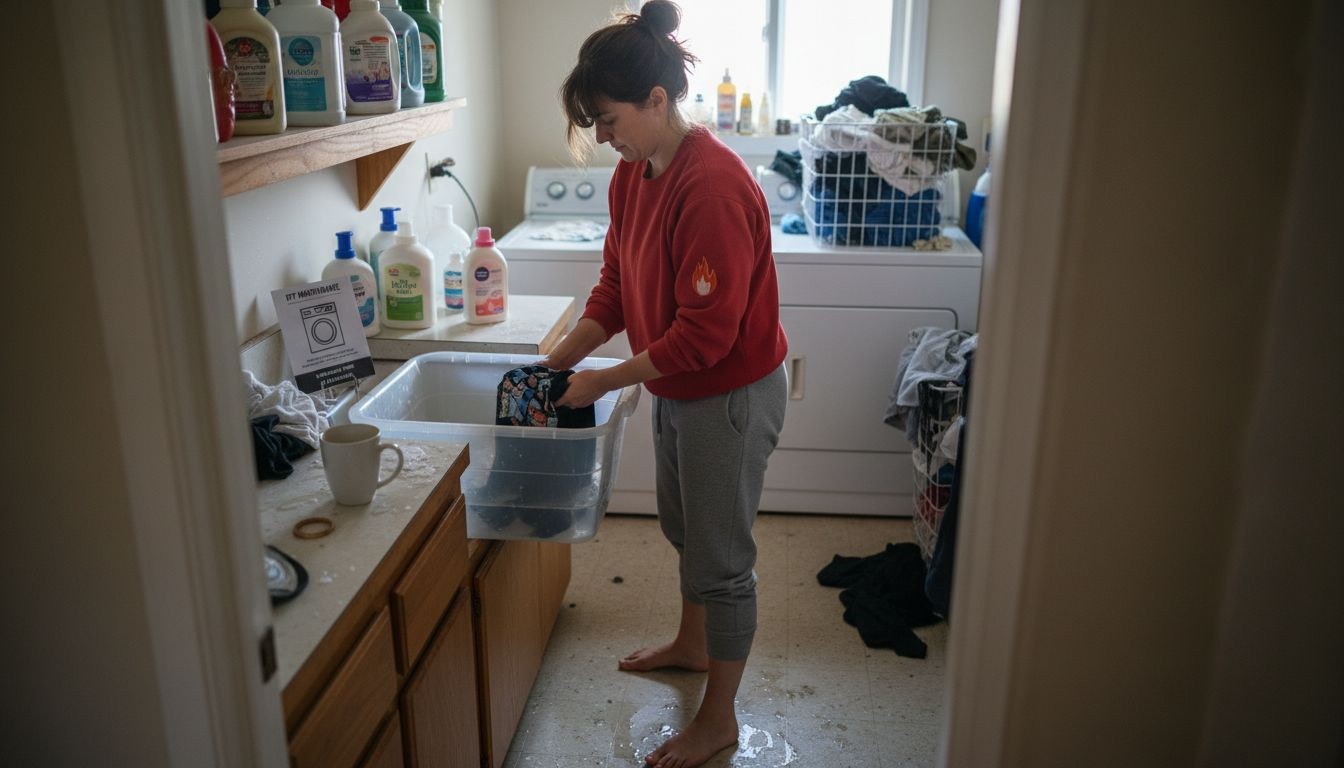
Pro Tip: For high-value custom apparel or small batches, hand washing provides the gentlest care. Fill a basin with cold water and mild detergent, gently agitate for two minutes, rinse thoroughly, and air dry flat. This method eliminates mechanical stress entirely.
Consult the DTF printing troubleshooting guide if you notice washing-related issues like premature fading or edge lifting. Often these problems trace back to incorrect water temperature or detergent chemistry rather than transfer quality.
Heat and environmental impact on DTF transfers
Heat affects DTF transfers at multiple stages including initial application, washing, drying, and storage. Understanding optimal temperature ranges prevents premature failure. During application, pressing at approximately 160°C for 10 to 15 seconds creates strong adhesion without degrading the polymer. Exceeding this temperature causes the adhesive to over-soften, leading to future peeling.
Drying heat poses the second major risk. Heat exposure above 60°C reduces transfer lifespan by up to 30% by accelerating adhesive breakdown and causing polymer chains to crack. Tumble dryers typically reach 65°C to 75°C even on low settings, making air drying the safer choice.
Environmental factors during storage also impact transfer integrity:
- Humidity between 40% and 60% maintains adhesive stability without causing deformation
- Lower humidity makes adhesives brittle and prone to cracking
- Higher humidity softens adhesives, increasing the risk of transfers sticking to each other
- Temperature fluctuations cause expansion and contraction cycles that stress the adhesive bond
Pro Tip: Monitor heat press time as carefully as temperature. Pressing too long at the correct temperature still degrades adhesives through cumulative heat exposure. Use a timer and follow manufacturer specifications for both temperature and dwell time.
Consistent environmental control extends transfer life significantly. If your production or storage area experiences wide temperature or humidity swings, consider climate control or at minimum store finished garments in sealed containers. The DTF transfer workflow guide provides detailed pressing parameters and post-press care recommendations to optimize initial adhesion before garments enter the maintenance cycle.
Safe detergents, chemicals, and common maintenance mistakes
Detergent formulation directly affects transfer longevity. Choose products marketed as mild, gentle, or suitable for delicate fabrics. These formulations use gentler surfactants and lower concentrations of active ingredients. Avoid detergents with bleach, optical brighteners, or enzymes designed to break down protein stains since these chemicals also attack polymer adhesives.
Fabric softeners deserve special attention because they’re one of the most damaging products for DTF transfers. Both liquid and dryer sheet versions deposit waxy compounds that coat fabric fibers and transfer surfaces. These compounds chemically interfere with adhesive bonds, causing peeling and cracking. The damage accumulates with repeated exposure, so even occasional softener use shortens transfer life.
Common maintenance mistakes include:
- Washing too frequently even with gentle methods increases transfer wear by about 30%
- Using hot or warm water because it’s a standard laundry habit
- Treating DTF apparel like screen printed or vinyl garments leads to rapid damage
- Ignoring care labels or assuming all custom apparel receives identical care
Educate your customers by including DTF-specific care instructions with every order. A simple care card or sewn-in label stating “Wash inside out in cold water, air dry, no fabric softener” prevents most customer-caused damage. This reduces returns and builds trust in your product quality.
Encourage customers to wash DTF apparel only when necessary rather than after every wear. Light wear without heavy soiling doesn’t require washing. Spot cleaning minor marks with a damp cloth preserves transfers while maintaining garment freshness. Review the DTF printing checklist for quality control steps that ensure customers receive transfers capable of withstanding proper maintenance protocols.
Comparison of DTF maintenance versus other printing methods
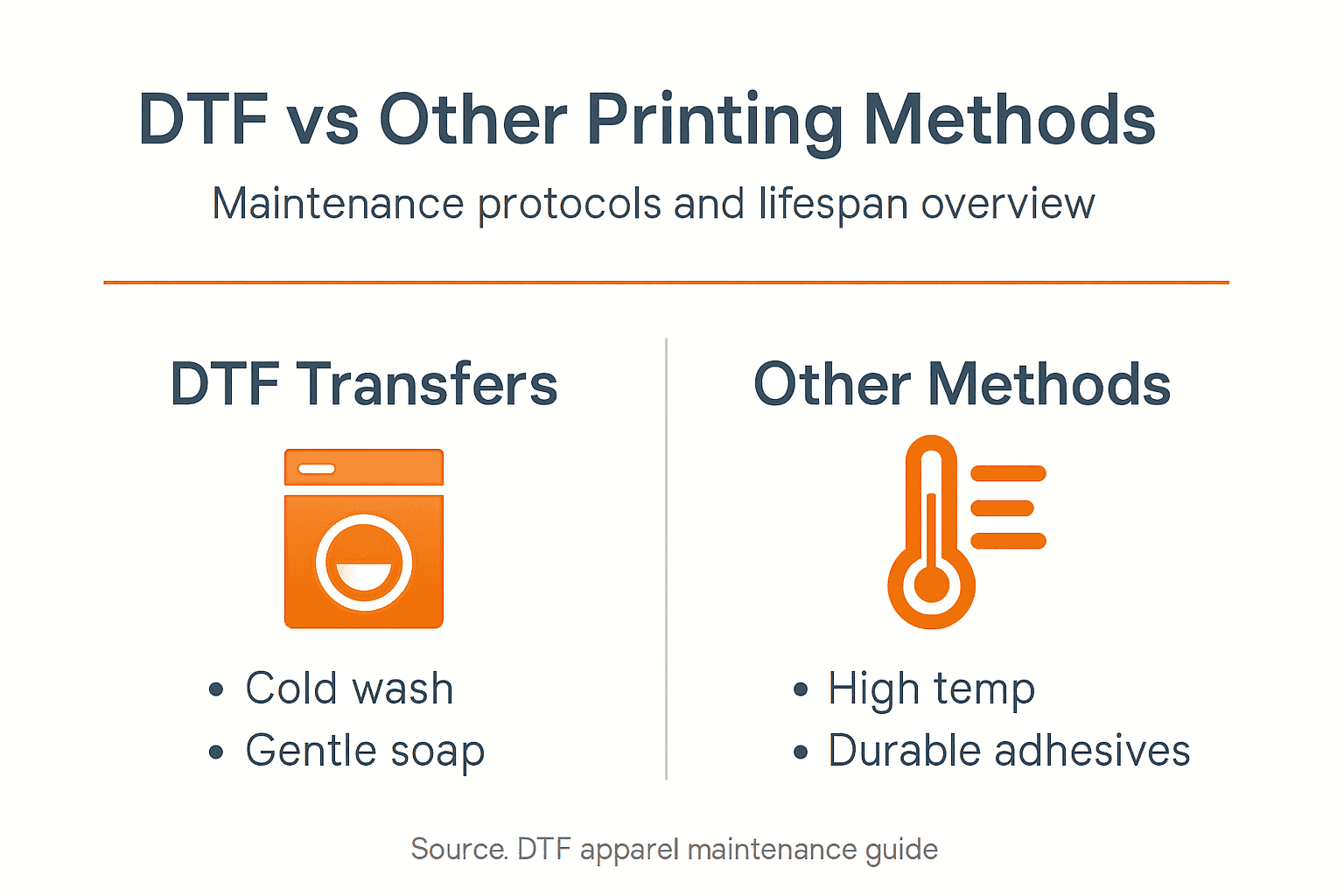
DTF transfers, screen prints, and heat transfer vinyl each require different maintenance approaches because their material compositions and adhesion methods differ fundamentally. Understanding these differences prevents costly mistakes when caring for custom apparel.
| Maintenance Factor | DTF Transfers | Screen Printing | Heat Transfer Vinyl |
|---|---|---|---|
| Safe wash temperature | Cold only (under 30°C) | Warm acceptable (up to 40°C) | Cold to warm (up to 40°C) |
| Drying method | Air dry preferred | Tumble dry low acceptable | Tumble dry low acceptable |
| Detergent sensitivity | High, avoid harsh chemicals | Moderate, standard detergents okay | Low, most detergents safe |
| Heat press temperature | 160°C optimal | Not applicable after curing | 150°C to 160°C |
| Fabric softener impact | Severe damage to adhesive | Minimal impact | Moderate impact on adhesive |
Screen printed garments withstand higher temperatures because the ink cures directly into fabric fibers through chemical bonding. Once cured, these inks resist heat, chemicals, and mechanical stress better than surface-applied transfers. You can wash screen prints in warmer water and tumble dry on regular settings without significant degradation.
Vinyl transfers use pressure-sensitive adhesives engineered for durability. While still requiring some care, vinyl tolerates standard laundry conditions better than DTF. The thicker vinyl material resists cracking and the adhesive formulation withstands more chemical exposure.
DTF’s polymer adhesives represent a middle ground offering excellent color vibrancy and detail but requiring gentler care. The adhesive remains more dynamic than vinyl, giving DTF transfers superior flexibility and softness. This flexibility comes at the cost of increased sensitivity to heat and chemicals.
Why standard care damages DTF transfers:
- Heat press settings for vinyl (often 165°C to 175°C) cause DTF adhesives to over-soften and peel
- Detergents safe for screen prints contain enzymes that break down DTF polymers
- Tumble drying at temperatures tolerable for vinyl exceeds DTF’s heat threshold
Learn more about method differences in DTF vs screen printing and explore DTF Kingz hybrid techniques that combine methods for specific effects. Understanding these distinctions helps you provide accurate care instructions and set appropriate customer expectations for transfer durability.
Practical tips for storage and handling to extend DTF transfer life
Proper storage protects transfers between production and sale, and guides customers on post-purchase handling. Storage conditions significantly impact adhesive integrity and transfer appearance over time.
Store finished garments flat or hung on proper hangers to avoid sharp creases. Folding creates stress points where transfers crack, especially along fold lines that receive repeated bending. If folding is necessary, place tissue paper over the transfer before folding to distribute pressure more evenly.
Environmental control during storage:
- Maintain humidity around 40% to 60% to keep adhesives stable without brittleness or excessive softness
- Store in cool, dark spaces away from direct sunlight which fades colors and degrades polymers
- Avoid temperature extremes or rapid temperature changes that cause expansion and contraction
- Use breathable garment bags for long-term storage to reduce dust accumulation without trapping moisture
Inspect stored inventory regularly, especially items stored for more than three months. Look for signs of adhesive separation, color fading, or surface changes. If you notice early adhesive loosening, re-pressing at 160°C for five to eight seconds can restore the bond before complete failure occurs.
Pro Tip: For long-term storage exceeding six months, place garments in sealed plastic bags with silica gel packets to control humidity precisely. This prevents adhesive degradation while protecting against moisture damage.
Handle finished garments carefully during packing and shipping. Avoid compressing transfers under heavy items or creating sharp bends during folding. Include a care instruction card with every order reminding customers to store their custom apparel properly when not in use.
Review DTF printing troubleshooting guide for solutions to storage-related issues and what are DTF transfers? for foundational knowledge about transfer composition and proper handling from production through end use.
Summary and key takeaways for effective DTF apparel maintenance
Maintaining DTF apparel requires understanding the unique properties of polymer-based adhesives and their sensitivities. Cold water washing below 30°C prevents the adhesive softening and color fading that hot water causes. Always turn garments inside out to protect transfers from mechanical abrasion during washing.
Detergent selection and avoiding harmful additives protects adhesive bonds. Use mild formulations without bleach, enzymes, or optical brighteners. Never use fabric softeners in any form because they deposit chemicals that weaken and eventually destroy adhesive integrity.
Heat control throughout the garment lifecycle preserves transfer quality:
- Press at 160°C during application for optimal adhesion without degradation
- Air dry whenever possible to avoid the 60°C-plus temperatures of tumble dryers
- Store in climate-controlled environments with stable temperature and 40% to 60% humidity
Storage and handling practices prevent physical damage and environmental degradation. Store garments flat or properly hung to avoid creasing transfers. Keep finished items away from direct sunlight and temperature extremes. Regular inspection catches early adhesive problems before they become visible failures.
Following these maintenance protocols extends DTF transfer lifespan significantly, with proper care reducing fading by 40% and preventing premature peeling or cracking. The result is satisfied customers who enjoy vibrant, durable custom apparel and fewer returns or quality complaints for your business. Implement these strategies consistently across your production and educate customers on proper garment care to maximize the value of DTF printing technology.
Enhance your custom apparel business with DIY Printz
Quality maintenance starts with quality transfers. DIY Printz delivers ready-to-press DTF transfers that arrive perfectly cured and tested for optimal adhesion. Our high-volume production ensures consistent quality across every order, from single prints to thousands of transfers.
When you focus on DTF printing apparel production strategies and proper maintenance protocols, your custom apparel business delivers better products with fewer issues. Explore our DTF printing troubleshooting guide for solutions to common challenges, and learn how DTF transfers efficiency boost your workflow by eliminating printer ownership and maintenance. DIY Printz handles transfer production so you can concentrate on growing your brand and serving customers with exceptional custom apparel.
Frequently asked questions about maintenance of custom apparel with DTF transfers
How often should I wash DTF apparel to preserve transfers?
Wash only when necessary rather than after every wear. Light use without visible soiling doesn’t require washing. Frequent washing, even with proper technique, increases transfer wear by about 30% through cumulative mechanical and chemical stress.
Can I use a tumble dryer if I set it to low heat?
Even low dryer settings typically reach 60°C to 65°C, which accelerates adhesive breakdown. Air drying is strongly preferred. If you must use a dryer, remove garments while still slightly damp and finish air drying to minimize heat exposure.
What are the signs that a DTF transfer needs re-pressing?
Look for edges lifting slightly from fabric, reduced vibrancy suggesting adhesive separation, or small areas beginning to peel. Re-pressing at 160°C for five to eight seconds can restore the bond if caught early before complete failure.
Is hand washing better than machine washing for DTF prints?
Yes, hand washing eliminates mechanical agitation that stresses transfers during machine cycles. Use cold water and gentle manipulation for two to three minutes, then rinse thoroughly. This method works especially well for high-value pieces or small batches.
Can sunlight exposure damage DTF transfers over time?
Direct sunlight fades colors and degrades polymer adhesives through UV exposure. Store finished garments in dark spaces and advise customers to avoid prolonged sun exposure when wearing and storing custom apparel. UV damage accumulates gradually and becomes irreversible.
Recommended
READY TO PRINT?
Send us your artwork and we'll dial in your DTF transfer, color, and same-day turnaround.


