

Transfer printing for apparel: cost-effective DTF guide
Discover how DTF transfer printing delivers vibrant, durable prints on any fabric at any volume. Learn cost-effective strategies for small apparel brands to scale efficiently.

Small apparel brands face constant pressure to deliver vibrant, durable custom prints while managing tight budgets and short turnaround windows. Traditional printing methods often force you to choose between quality, cost, or speed. Transfer printing, particularly Direct-to-Film (DTF) technology, eliminates this tradeoff by offering high-quality prints on diverse fabrics without heavy equipment investment. This guide reveals how DTF transfer printing empowers independent clothing brands to scale efficiently, reduce waste, and maintain professional print standards across every order size.
Table of Contents
- Understanding Transfer Printing And DTF Technology
- Benefits Of Transfer Printing For Small And Independent Brands
- Transfer Printing In Context: Comparing Printing Methods
- Common Misconceptions About Transfer Printing
- Practical Application: Outsourcing Transfer Printing
- Environmental And Sustainability Benefits
- Summary And Next Steps For Small Apparel Businesses
- Explore Same-Day DTF Transfers To Streamline Your Apparel Production
- Frequently Asked Questions
Key takeaways
| Point | Details |
|---|---|
| DTF produces vibrant, durable prints | Works across cotton, polyester, blends, and synthetics without pretreatment or quality loss. |
| Cost and time savings ideal for small runs | Eliminates setup fees and minimums, making custom orders profitable at any volume. |
| Outsourcing reduces overhead significantly | Avoid equipment costs, maintenance, and learning curves while accessing professional quality. |
| Supports scalability with fast turnaround | Process orders in hours or days instead of weeks, responding quickly to customer demand. |
| More sustainable than traditional methods | Reduces water use and chemical waste by over 50% compared to screen printing. |
Understanding transfer printing and DTF technology
Transfer printing applies designs to fabric using heat and pressure to bond pre-printed transfers onto garments. Direct-to-Film (DTF) represents the latest evolution in this category, printing designs onto specialized films with water-based inks, then applying adhesive powder before heat curing. Unlike older heat transfer vinyl methods, DTF eliminates cutting and weeding steps making production faster and cleaner.
DTF technology works across an impressive fabric range. You can press transfers onto cotton, polyester, polyester blends, nylon, spandex, and other synthetics without any pretreatment chemicals or special preparation. This versatility makes DTF ideal when working with diverse inventory or testing new garment styles. Recent innovations include anti-static films that prevent dust contamination and anti-curl formulations that keep transfers flat during storage and application, improving both quality and production speed.
The print quality characteristics set DTF apart from older transfer methods:
- Vibrant color reproduction with excellent detail retention even in complex designs
- Soft hand feel that improves after the first wash cycle
- Strong adhesion that maintains durability through repeated laundering
- No thick plastic feel common with older vinyl transfers
Understanding these technical foundations helps you evaluate whether DTF fits your production needs. The technology removes traditional barriers like fabric restrictions and minimum order quantities that once made custom printing expensive and inflexible. Different types of DTF transfers serve specific applications, from standard transfers to specialty finishes like glitter or metallic effects.
Pro Tip: Proper maintenance practices extend DTF print life significantly. Washing garments inside out in cold water and avoiding high-heat drying preserves print quality far longer than standard care.
Benefits of transfer printing for small and independent brands
DTF transfer printing delivers tangible advantages that directly impact your bottom line and operational efficiency. The durability factor alone justifies consideration. Modern DTF produces vibrant, durable prints with no cracking, peeling, or fading even after multiple washes, addressing the primary quality concern customers have about custom apparel. Independent testing shows properly applied DTF transfers maintain color vibrancy and structural integrity through 50+ wash cycles.
The soft, comfortable feel surprises first-time DTF users. Unlike thick, plasticky vinyl transfers or stiff screen prints, DTF creates a thin, flexible layer that breathes with the fabric. After the initial wash, the print softens further, becoming barely distinguishable from the garment texture itself. This comfort factor matters enormously for apparel brands where customer satisfaction drives repeat purchases.
Cost and time savings compound across your production workflow:
- No screen setup fees or plate costs that make small runs expensive
- Zero minimum order requirements let you test designs or fulfill single custom orders profitably
- Faster turnaround from artwork to finished garment compared to traditional screen printing
- Lower waste since you only produce exactly what you need
- Reduced labor complexity with simpler pressing versus multi-color screen printing setups
The financial model shifts from high fixed costs with volume discounts to predictable per-unit pricing that scales linearly. This structure benefits small brands significantly because you avoid tying up capital in large inventory runs to achieve acceptable unit costs. You can launch new designs with minimal financial risk, testing market response before committing to larger production.
DTF handles complex, vibrant designs effortlessly. Full-color photorealistic images, intricate typography, gradient blends, and fine details reproduce accurately without the color limitations or registration challenges of screen printing. This design freedom lets creative brands differentiate their offerings without production constraints limiting artistic vision.
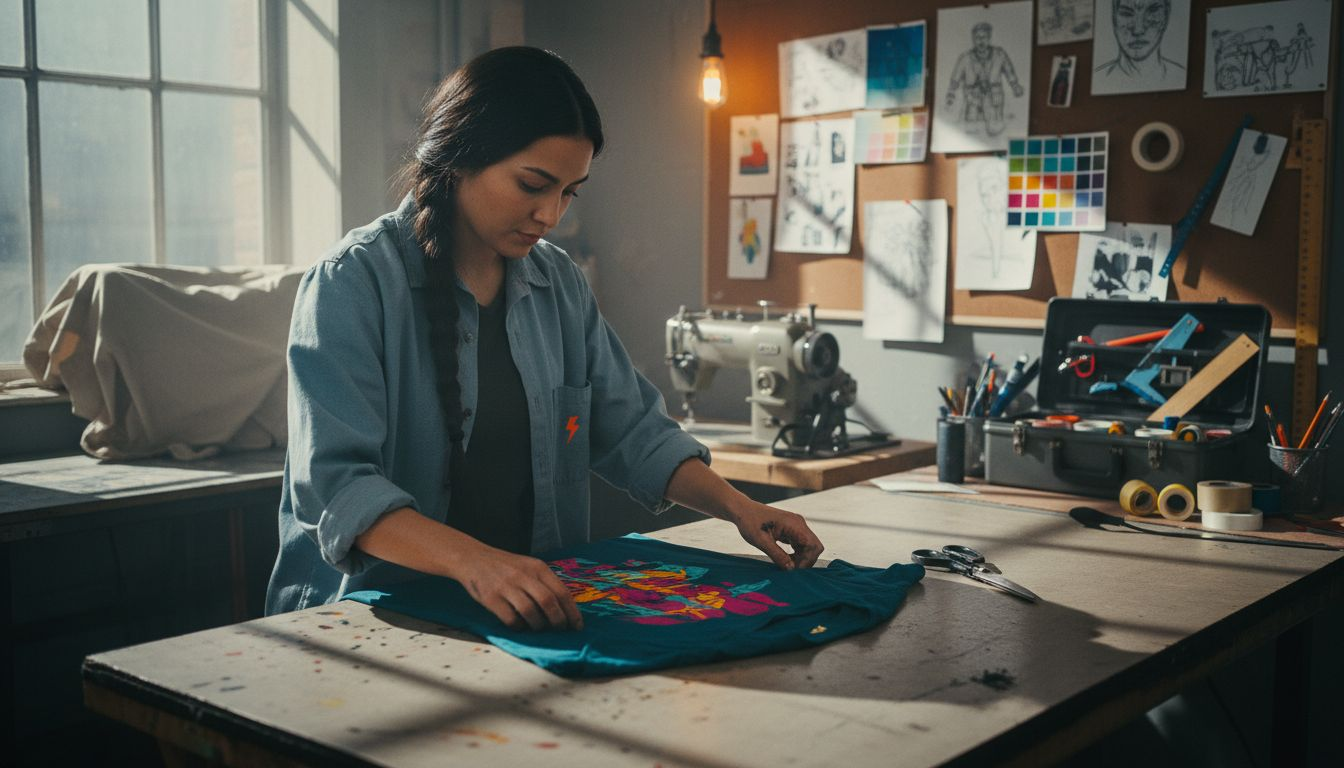
Pro Tip: Request sample transfers before committing to full production runs. Testing how prints perform on your specific garment types reveals any compatibility issues and confirms the durability characteristics match your quality standards.
Transfer printing in context: comparing printing methods
Understanding how DTF compares against established printing methods clarifies when and why it delivers superior value for small apparel businesses. Screen printing remains popular for large volume orders, typically 100+ units of the same design. It offers excellent durability and vibrant colors once setup is complete. However, screen printing requires creating separate screens for each color, involves significant setup time and cost, and generates chemical waste from screen cleaning and reclaiming.
Direct-to-garment (DTG) printing sprays water-based inks directly onto fabric using modified inkjet technology. DTG works best on 100% cotton garments and requires chemical pretreatment that affects fabric hand feel. The method excels at one-off custom orders and photorealistic prints but struggles with polyester fabrics and suffers from slower production speeds compared to transfer methods.
DTF transfer printing bridges the gap between these methods. Industry analysis shows DTF printing requires less setup time and is more cost-effective for short runs compared to screen printing and heat transfer vinyl. The comparison breaks down clearly:
| Method | Setup Time | Fabric Range | Cost per Unit (50 qty) | Minimum Order | Durability |
|---|---|---|---|---|---|
| Screen Printing | 30-60 min | Cotton, blends | $8-12 | 24-50 units | Excellent |
| DTG | 2-5 min | Cotton only | $12-18 | 1 unit | Good |
| DTF | None | All fabrics | $6-10 | 1 unit | Excellent |
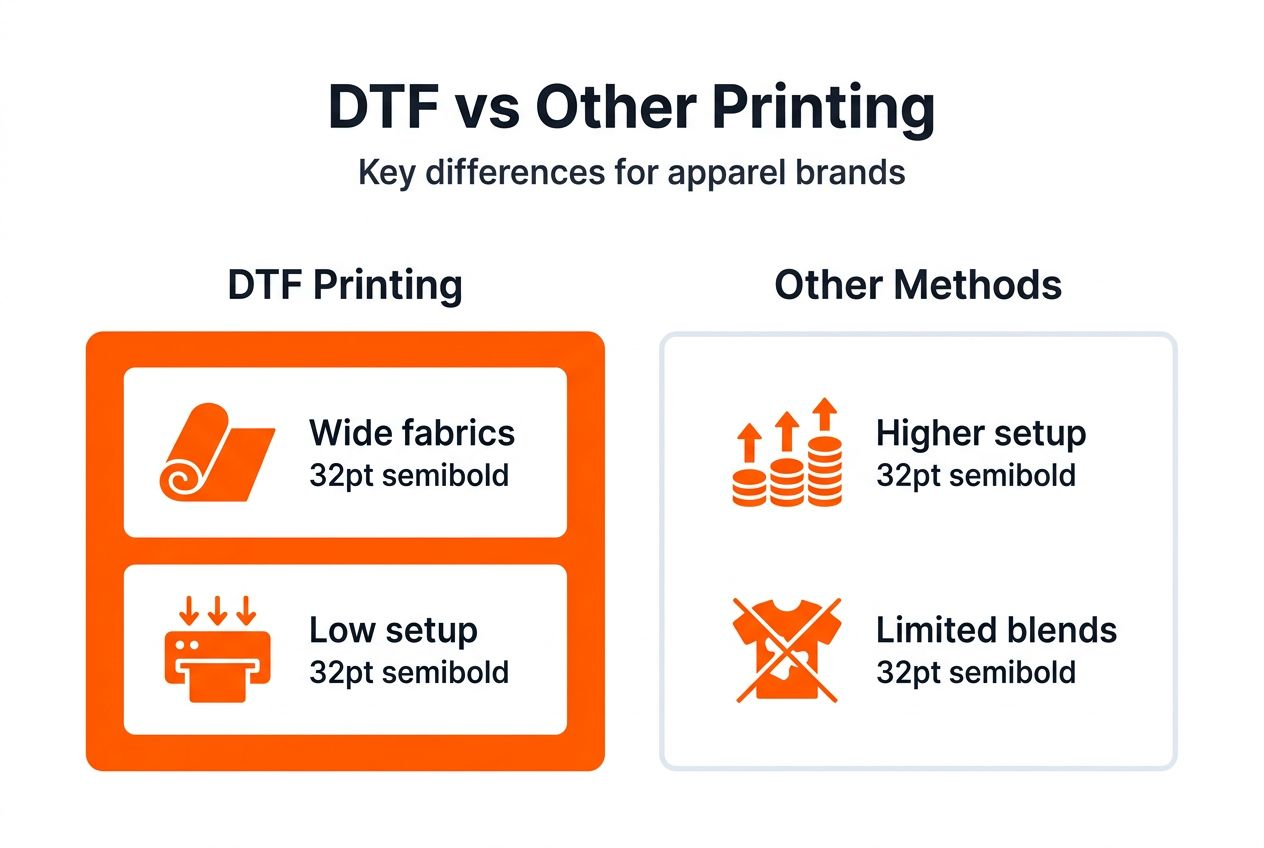
The operational overhead differences favor outsourcing for small brands. Screen printing requires space for equipment, screens, drying racks, and chemical storage plus ongoing supply costs and maintenance. DTG demands expensive printers, frequent printhead replacement, and climate-controlled environments. DTF production equipment costs less initially but still requires film printers, powder shakers, curing ovens, and heat presses.
Outsourcing DTF transfers to specialized providers eliminates all equipment investment while maintaining quality control. You upload designs, receive ready-to-press transfers, and complete final production with just a heat press. This model mirrors how professional screen printers often incorporate DTF into their workflow to handle small orders and diverse fabric types efficiently.
The checklist for successful DTF printing confirms production complexity. Managing ink profiles, film tension, powder application, curing temperatures, and press parameters requires expertise that takes months to develop. Outsourcing bypasses this learning curve entirely.
Common misconceptions about transfer printing
Several persistent myths discourage apparel brands from exploring DTF transfer printing despite its proven advantages. Addressing these misconceptions directly helps you make informed decisions based on current technology rather than outdated information.
Myth: DTF works only on cotton fabrics. Reality: DTF transfers bond effectively to cotton, polyester, polyester blends, tri-blends, nylon, spandex, and other synthetics without pretreatment. The adhesive powder formulation creates mechanical and chemical bonds that work across fiber types. You can even press DTF onto performance fabrics, denim, canvas, and coated materials that other methods struggle with.
Myth: Transfer prints feel stiff and uncomfortable. Reality: Modern DTF produces soft, flexible prints that improve after washing. The initial feel immediately after pressing is slightly noticeable, but the first wash cycle softens the print dramatically. User feedback shows no cracking or stiffening in over 90% of wear cases after multiple washes. The thin film layer flexes naturally with fabric movement, unlike thick vinyl or plastisol screen prints.
Myth: DTF is only cost-effective for large volumes. Reality: DTF’s zero setup costs make it profitable even for single-unit orders. Traditional screen printing becomes cost-competitive around 50-100+ units because setup fees distribute across more pieces. DTF maintains consistent per-unit pricing regardless of quantity, making small runs economically viable. This pricing structure empowers apparel production flexibility impossible with traditional methods.
The confusion often stems from experiences with older heat transfer technologies like inkjet transfers or low-quality vinyl that cracked, peeled, or felt plasticky. DTF represents a fundamental technology upgrade, not an incremental improvement. The water-based inks, specialized adhesive powders, and engineered films create prints that rival or exceed screen printing quality.
Common quality concerns get resolved through proper technique:
- Cracking or peeling indicates incorrect press temperature, pressure, or time settings
- Color fading suggests poor ink quality or inadequate curing during production
- Poor adhesion results from contaminated fabric surfaces or insufficient press pressure
Pro Tip: When evaluating DTF quality, request wash test reports showing print performance after 25, 50, and 75+ cycles. Reputable providers test their processes extensively and share results transparently. Troubleshooting guides help identify whether issues stem from transfer quality or application technique.
Practical application: outsourcing transfer printing
Strategic outsourcing transforms DTF transfer printing from a production challenge into a competitive advantage for small apparel businesses. The financial case alone compels consideration. A professional DTF printer setup costs $15,000 to $50,000+ depending on capacity and features. Add supplies, maintenance, climate control, and the learning curve required to produce consistent quality. Research confirms outsourcing DTF transfer printing reduces capital expenses, improves turnaround, and boosts productivity by 20-40%.
Outsourcing delivers predictable per-unit costs without equipment depreciation, supply inventory, or maintenance expenses. You convert fixed overhead into variable costs that scale precisely with order volume. This financial flexibility matters enormously when testing new designs or managing seasonal demand fluctuations.
Turnaround times improve dramatically. Professional transfer printing services process orders in hours or days, not weeks. Same-day production for rush orders becomes feasible, letting you respond quickly to trending designs or urgent customer needs. Reliable partners maintain consistent quality across batches, eliminating the variability common when managing production in-house without dedicated expertise.
Scalability happens effortlessly. Order 10 transfers today, 1,000 next month. No minimum order requirements mean you test designs with minimal financial exposure, then scale successful products without production bottlenecks. This agility lets small brands compete effectively against larger competitors constrained by traditional manufacturing economics.
The strategic benefit extends beyond production efficiency. Outsourcing transfers frees your time and focus for higher-value activities:
- Developing new designs and product lines
- Building customer relationships and brand awareness
- Optimizing sales channels and marketing strategies
- Fulfilling orders and managing inventory
- Expanding distribution and wholesale partnerships
When choosing a DTF transfer printing service, evaluate these critical factors:
- Demonstrated quality through samples and customer reviews
- Transparent pricing without hidden fees or minimum charges
- Fast, reliable turnaround with clear production timelines
- Responsive customer service that answers technical questions
- Eco-friendly materials and sustainable practices
- File handling capabilities for your design formats
Pro Tip: Start with small test orders from multiple providers before committing to a primary partner. Compare print quality, color accuracy, turnaround speed, and customer service responsiveness. Establishing backup providers prevents production disruptions if your primary source faces capacity constraints. The efficiency gains from DTF transfers compound when you optimize your supplier relationships.
Environmental and sustainability benefits
Sustainability increasingly influences purchasing decisions, with consumers favoring brands demonstrating environmental responsibility. DTF transfer printing offers meaningful eco-advantages over traditional screen printing methods, supporting your green business goals while maintaining production quality.
Water consumption drops dramatically. Screen printing requires substantial water for mixing inks, cleaning screens, and reclaiming emulsion between jobs. DTF printing uses water-based inks applied directly to film, reducing water use and waste by over 50% compared to screen printing. The closed-loop process recycles excess powder adhesive, minimizing material waste.
Chemical usage and disposal concerns diminish. Screen printing generates hazardous waste from emulsion strippers, screen cleaners, and plastisol inks containing PVC and phthalates. DTF employs water-based inks free from these harmful compounds. The adhesive powders are non-toxic and the transfer films are increasingly recyclable, creating a cleaner production cycle from start to finish.
Key environmental improvements include:
- Elimination of toxic screen cleaning chemicals and emulsion waste
- Water-based inks that biodegrade safely without soil or water contamination
- Recyclable transfer films reducing landfill waste
- Minimal electricity use compared to large curing ovens required for plastisol inks
- Reduced shipping impact from lightweight transfers versus finished garments
“The shift toward eco-friendly printing methods reflects both regulatory pressure and consumer demand. DTF technology delivers the sustainability improvements the apparel industry needs without sacrificing print quality or production efficiency.”
When evaluating transfer printing providers, ask about their environmental certifications and material sourcing. Look for partners using water-based inks certified by organizations like OEKO-TEX or GOTS. Verify that films and packaging materials incorporate recycled content and are designed for end-of-life recycling.
Transparency matters. Reputable providers willingly share details about their sustainability practices, chemical safety data sheets, and waste management procedures. This openness indicates a genuine commitment to environmental responsibility rather than superficial greenwashing.
The sustainability benefits extend your brand story. Marketing your products as eco-friendly custom apparel resonates with environmentally conscious consumers, potentially commanding premium pricing while building loyalty. Documenting your sustainable production choices through certifications and transparent communication differentiates your brand in crowded markets.
Summary and next steps for small apparel businesses
DTF transfer printing represents a transformative opportunity for small and independent apparel brands seeking high-quality custom printing without prohibitive costs or operational complexity. The technology eliminates traditional barriers like fabric restrictions, minimum order quantities, and setup fees that made professional printing inaccessible to small businesses. Vibrant, durable prints across diverse fabrics, combined with fast turnaround and predictable pricing, position DTF as the optimal choice for modern apparel production.
Outsourcing DTF transfer printing to specialized providers amplifies these advantages. You avoid capital investment in equipment, bypass the learning curve required for consistent quality, and convert fixed overhead into scalable variable costs. This model frees your time and resources for growing your brand, developing new products, and serving customers.
Take these specific actions to integrate DTF transfer printing into your production workflow:
- Evaluate your current printing needs including typical order sizes, fabric types, design complexity, and turnaround requirements.
- Request samples from multiple DTF transfer providers to compare quality, color accuracy, and hand feel across your garment types.
- Test the complete process with small pilot orders before committing to full production runs or marketing campaigns.
- Document proper pressing parameters for your specific garments and transfer combinations to ensure consistent application quality.
- Establish relationships with backup providers to maintain production continuity during peak demand periods.
- Track key metrics like cost per print, turnaround time, and customer satisfaction to optimize your supply chain continuously.
Success with DTF transfer printing requires selecting reliable partners who deliver consistent quality and responsive service. Prioritize providers demonstrating expertise through transparent communication, detailed specifications, and willingness to support your specific production needs. Starting with conservative order quantities while building confidence in the process minimizes risk and validates the business model before scaling.
Explore same-day DTF transfers to streamline your apparel production
Ready to experience the speed, quality, and cost-effectiveness of professional DTF transfer printing? DIY Printz delivers high-volume production with consistent quality and fast turnaround, handling everything from small test runs to bulk orders. Our same-day DTF transfers let you respond quickly to customer demand without equipment investment or maintenance hassles.
We process hundreds to thousands of orders monthly for print shops, apparel brands, screen printers, and independent creators nationwide. Upload your designs, specify quantities, and receive ready-to-press transfers that make production simple and profitable. Focus on growing your brand while we handle the technical complexity of transfer printing.
Frequently asked questions
What fabrics are best for DTF transfer printing?
DTF transfers work excellently across cotton, polyester, polyester blends, tri-blends, nylon, spandex, and most synthetic fabrics without any pretreatment. The adhesive bonds mechanically and chemically to diverse fiber types, making DTF more versatile than DTG printing, which requires cotton, or screen printing, which struggles with performance fabrics. Test samples on your specific garments to confirm compatibility and optimize pressing parameters.
How does outsourcing DTF printing save my business money?
Outsourcing eliminates $15,000 to $50,000+ equipment costs, ongoing maintenance expenses, supply inventory, and the months-long learning curve required for consistent quality. You convert fixed overhead into predictable per-unit variable costs that scale precisely with order volume. Research shows productivity gains of 20-40% when businesses outsource transfer printing versus managing production in-house.
Can DTF prints handle repeated washing without damage?
Properly produced DTF transfers maintain excellent durability through 50+ wash cycles without cracking, peeling, or significant fading. Over 90% of users report no quality degradation with proper garment care. Washing inside out in cold water and avoiding high-heat drying maximizes print longevity. Request wash test documentation from providers to verify their quality standards.
Is DTF printing suitable for both small and large apparel orders?
DTF excels at any order size due to zero setup costs and no minimum quantity requirements. Single custom orders remain profitable, while bulk production benefits from consistent per-unit pricing regardless of volume. This flexibility lets you test designs with minimal financial risk, then scale successful products seamlessly without production bottlenecks or price breaks that favor only large quantities.
How do I choose a reliable DTF transfer printer?
Evaluate providers based on demonstrated quality through samples and reviews, transparent pricing without hidden fees, fast reliable turnaround with clear timelines, responsive customer service, and eco-friendly materials. Start with small test orders from multiple providers to compare results before establishing a primary partnership. Verify they handle your design file formats and offer the specialty finishes your products require.
Recommended
READY TO PRINT?
Send us your artwork and we'll dial in your DTF transfer, color, and same-day turnaround.


